


Do You Know Your Piloting Emergency ABC’s?

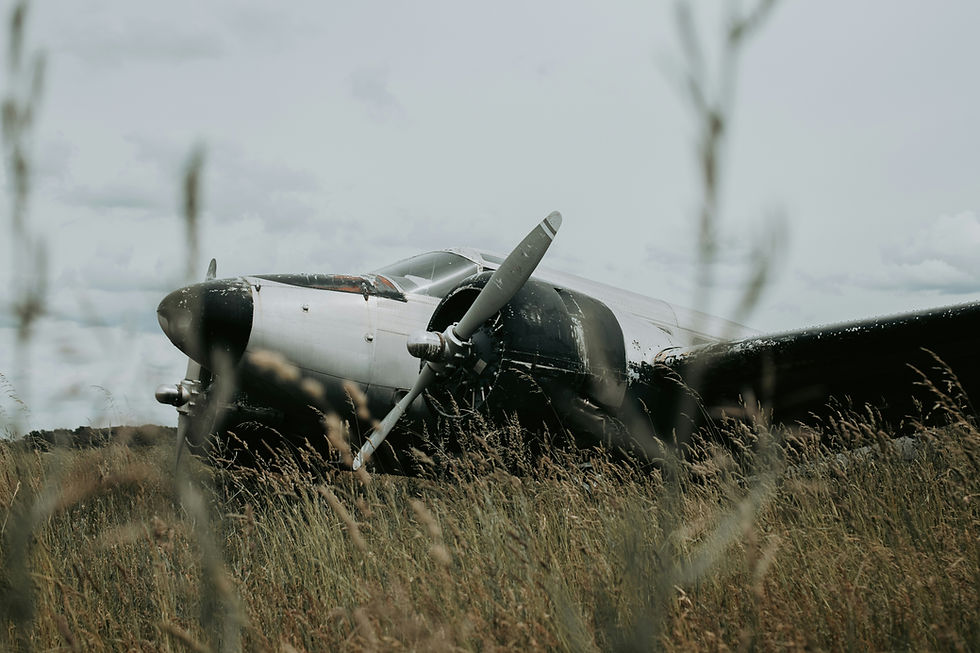
Pilots facing an emergency should always "Aviate, Navigate and Communicate." Flying the plane and staying in control is the top priority. Safe navigation follows, ensuring the flight's success. Think of a sudden engine failure, which is not common. It may sound silly, but the emergency alphabet is a great tool for students and even rusty pilots gain skill quickly. Knowing the ABCs for an emergency will likely lead to positive outcomes.
A - Airspeed
B - Best Place to Land
C - Checklist
D - Declare an Emergency
E - Execute and so on
Breaking down the ABC’s
A - Airspeed: Quickly set the plane's pitch and get to best glide speed (VG). Gaining altitude while slowing down is ideal, which can mean more time and options. You might even have time to troubleshoot the problem. Trim the plane for best glide and hold that speed. Stay at this speed before moving to the next step. Many ways exist to descend fast. But you can't regain lost altitude if the engine fails.
B - Best Place to Land: From takeoff until landing, pilots must always assess suitable landing spots. This reduces stress, workload and boosts situational awareness. Scan the area for an airport first. If unavailable, find a site for a safe landing, such as a flat, open field works best. Watch out for trees, power lines, buildings, etc. For road landings, consider traffic lights and signs, always remember to land with the flow of traffic to prevent crashes. Around heavily congested airports, large roads or freeway landings may be the only option. Even the shoreline, in most instances a good choice except if it’s a summer holiday. If it really comes down to it a water landing. Land into the wind and parallel to any swells; open doors and wedge them open using whatever is at hand.
Remember, the best spot might be behind or below you, such as an airport. Check blind spots during your search, such as if flying a low-wing airplane.
C - Checklist: Aircraft checklists have memory items pilots must know. Knowing the cockpit layout and having a flow helps complete these items faster. In a low altitude situation, there is often no time to check items such as just after takeoff or on final approach after.
An emergency at altitude might allow time to run through the checklist. Always use the checklist to double-check memory items. It also may help to find other reasons for the problem. If possible, have another pilot or passenger read the checklist items, doing this may also help relieve stress and allow to focus.
Engine Failure After Takeoff - If engine failure occurs shortly after takeoff (below 800-1,000ft AGL), there is no time to accomplish an emergency checklist. Pilots should focus directly on executing a safe landing on any suitable spot directly ahead of the airplane. NEVER, attempt to turn back to the airport!
D - Declare an Emergency: If you can't reach Air Traffic Control (ATC), especially at uncontrolled fields, Squawk 7700 on your transponder, and turn on the ELT. Depending on the nature of the emergency and time permitting, tune your radio to the "Guard" frequency 121.5. Begin the call with "Mayday, Mayday, Mayday," then say your call sign, followed by your position your location details so help can find you. Even getting a call out on a local CTAF frequency, other planes might be able to help and call for aid.
For ATC contact, report the issue right away. Squawk 7700 on your transponder to signal an emergency, turn on the ELT and begin the call, "Mayday, Mayday, Mayday...." Expect ATC to ask about the problem, such as nature of the emergency and assistance required. They will also ask about remaining fuel (in hours and minutes) and how many souls (people) on board.
E - Execute: Maintain control of the aircraft during the entire approach and landing. If possible, assess the wind direction and field slope if you have time and space. If you can, land into the wind. Avoid obstacles to allow more room for error on your final approach. Use of flaps is recommended to slow your forward speed. This will help reduce the speed and may lessen deceleration's impact. Avoid low level, aggressive maneuvering, which will minimize the sink rate.
Maintaining positive control helps reduce damage to the airplanes cabin structure. This, in turn, raises your chances of avoiding injuries, and egressing quicker.
You can always add more letters and make the emergency alphabet checklist a personal requirement. For an example, the letter “F”.
F - Fire prevention: Stop fires before they start. Perform a fast shutdown check. Turn the fuel control switch to the off position. Also, remember to turn off the three M's:
Mixture
Magnetos (Mags)
Master Switch
Ensure the fire extinguisher is close at hand and ready use.
Important Things to Remember
Emergency Phrases are used by pilots use specific, universal radiotelephone phrases to communicate the severity of a situation:
“Mayday…” - is the most commonly term to communicate when an aircraft is in distress. This word must be said three times. Next, say the aircrafts call sign. Then, let ATC or other traffic the approximate location. Last, give a short explanation of the problem.
“Pan-Pan…” - signals an urgent situation. It's not as common as "Mayday." Use it when there's no immediate threat to life, but still need assistance right away. Follow the same steps as with "Mayday." Briefly explain the problem and of what assistance is required.
To learn more AIM 6-3-1 provides more information about when and how to use these calls appropriately.
In any event, pilots must keep positive control and fly the airplane. These key aviation rules apply to all situations. Maintaining control is the most important thing. Focus on aviating “FLY THE AIRPLANE”! no matter what happens:
Aviate
Navigate
Communicate


Comments